
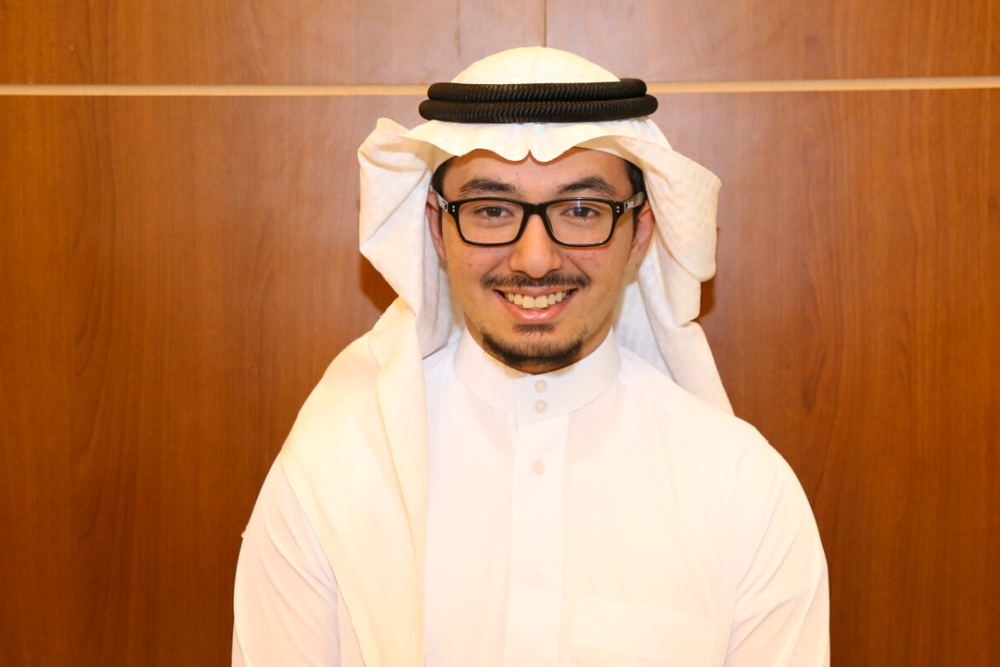
In June 2021, under Waleed Seddiq's leadership, a breakthrough happened at Harvard University's lab. They witnessed the immune system of a lab mouse defeating brain cancer, which Seddiq compared to winning the World Cup in the scientific community.
As the first stage of clinical testing comes to an end, Seddiq's team has accomplished yet another outstanding feat. Their revolutionary medical discovery, which employs viruses and stem cells to target and eliminate brain cancer cells, has earned them the prestigious Harvard Medical School Annual Conference Award.
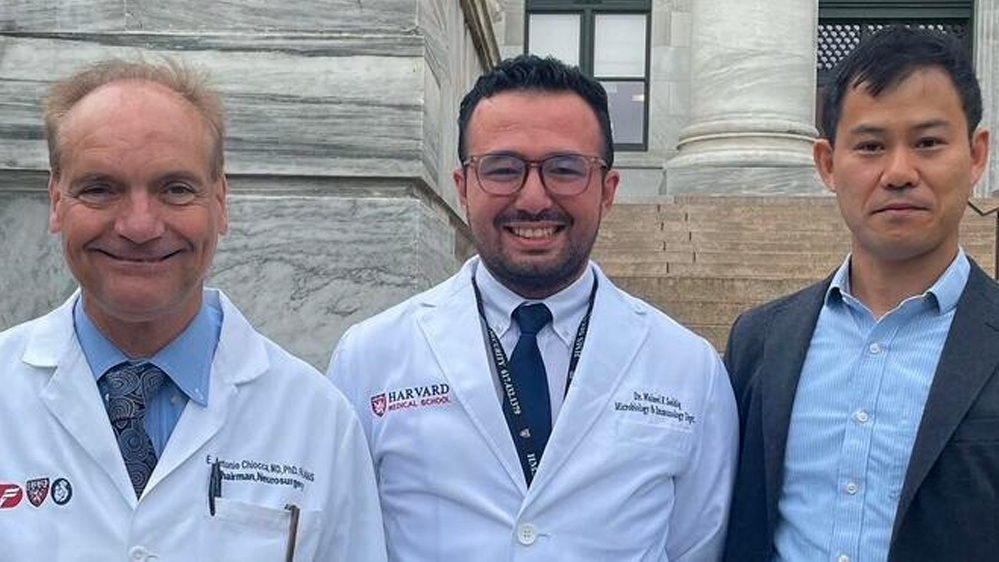
Seddiq, a Saudi national supported by the Saudi government, expressed his extreme joy at this acknowledgment and his ability to compete internationally at the top university.
The average patient's chance of survival after brain metastases is only six months. In the advanced stage, the blood-brain barrier hampers medication effectiveness by blocking their entry through veins. This barrier acts as a defense, preventing microorganism infiltration from the bloodstream.
Researchers found that viruses are one of the few organisms that can enter the brain. Armed with this knowledge, they genetically modified cold viruses, specifically the herpes simplex virus, to exclusively target cancer cells.
Stem cells carry the modified virus to the brain, enhancing its reproduction. Patients receive direct bloodstream injections for four months, completely eliminating their cancer in clinical trials.

A comparable immunotherapy approach has previously been created to treat melanoma skin cancer, according to Seddiq, but it was incompatible with other areas of the body.
Harvard University and Brigham and Women's Hospital team nears completion of initial clinical trials, ensuring treatment safety. The following phases will assess the dosage and efficacy. However, $4 million funding is needed to advance research to the next stage.
Seddiq sees Saudi Arabia embracing biotech with Vision 2030, aiming to fund and oversee local projects, like his., as a gesture of gratitude for their support.
Seddiq envisions Saudi Arabia transitioning towards establishing biotech companies, thanks to Vision 2030. He hopes Saudi Arabia funds and manages his project, expressing gratitude.
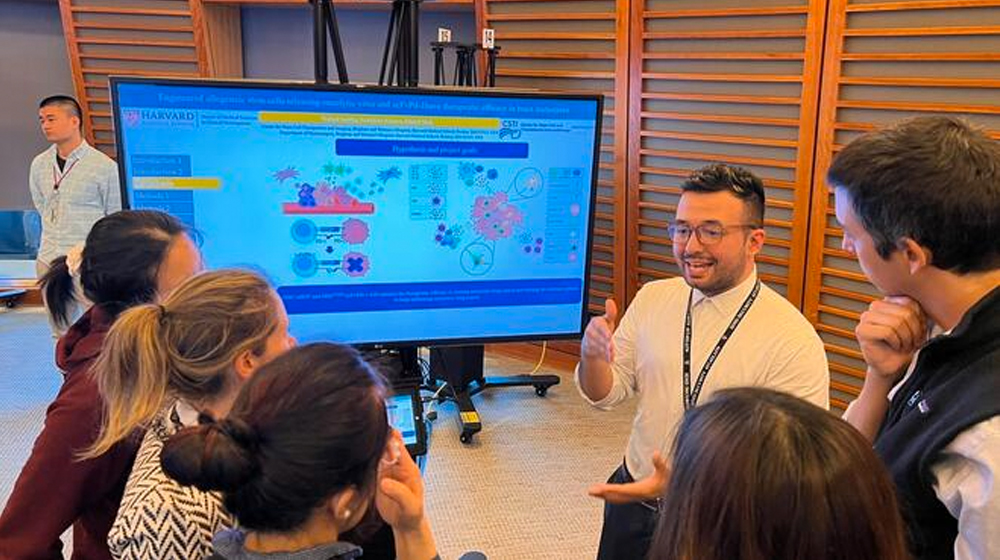
Seddiq's research journey began in high school, fueled by curiosity about molecular biology and atomic structure. His fascination with immunotherapy arose from the potential of harnessing the body's immune system against diseases.
Seddiq earned a medical bachelor's degree from King Saud University. He then pursued a master's in clinical investigation, specializing in translational immunotherapy at Harvard Medical School, despite not meeting the typical admission requirements.
His contributions to the field have garnered several accolades, including the SABIC Prize for Chemistry and Health, first place in the field of scientific research for undergraduate students at King Saud University, and the Harvard Medical School scholarship for outstanding students from 2021 to 2023.